August 28, 2026
Riga's Leading Hotels Continue Investments in Comfort and Responsible Operations
Major hospitality establishments in Riga have unveiled an ambitious sustainability initiative that will transform the city's luxury accommodation landscape through comprehensive green technology integration and environmental responsibility measures.
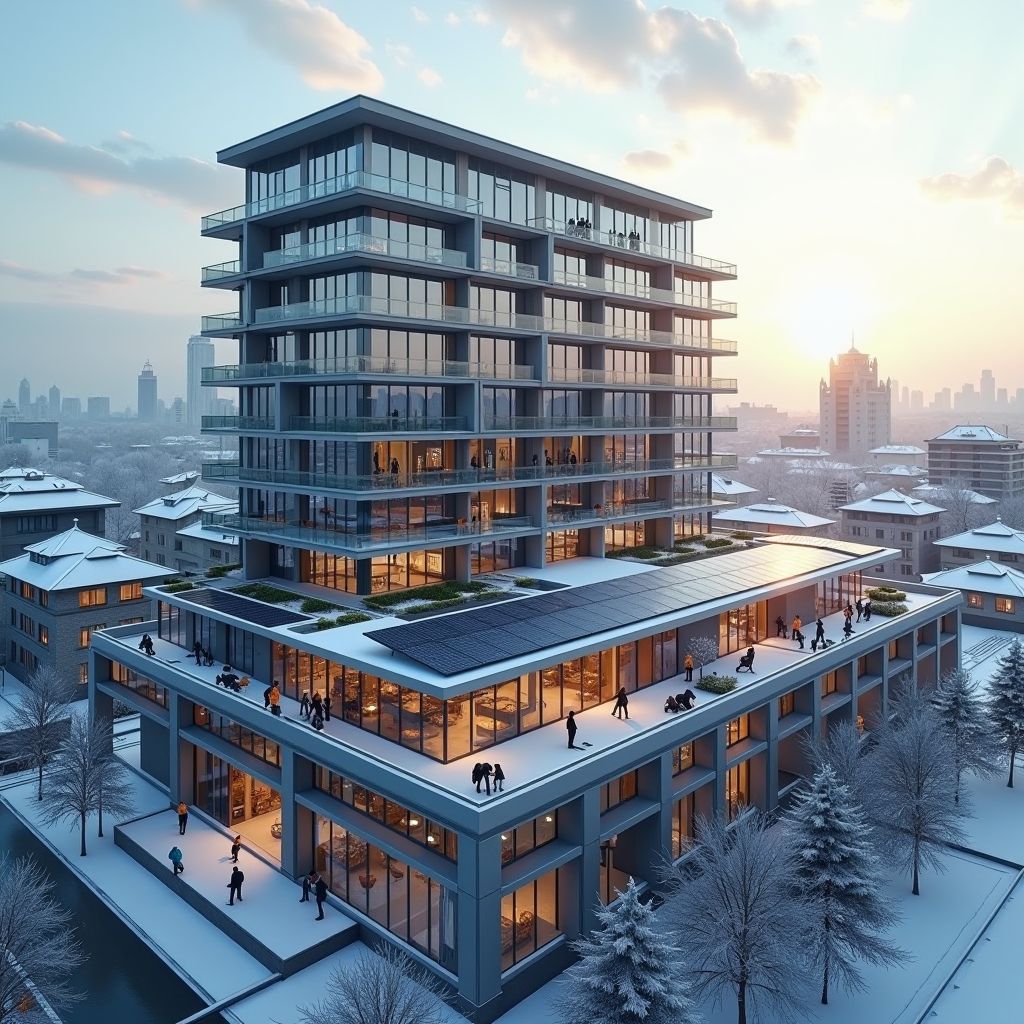
Comprehensive Investment in Green Infrastructure
The coalition of premier hotel complexes across Riga has committed to a transformative $150 million investment program focused on sustainable development and environmental stewardship. This unprecedented initiative, launched in August 2026, represents one of the most significant private sector commitments to green infrastructure in Latvian hospitality history. The program encompasses a wide range of technological upgrades and operational improvements designed to reduce environmental impact while maintaining the luxury standards expected by discerning guests.
The modernization effort will extend through the end of 2026, with participating properties implementing changes in carefully coordinated phases to minimize disruption to guest experiences. Industry analysts have praised the initiative as a model for sustainable luxury hospitality, demonstrating that environmental responsibility and premium service quality are not mutually exclusive objectives. The program's scope includes energy systems, water management, waste reduction, and operational efficiency improvements across multiple property categories.
Leading architectural design firms specializing in sustainable hospitality have been engaged to ensure that all modifications maintain the aesthetic integrity and luxury appeal of these distinguished properties. The integration of green technologies will be executed with attention to architectural harmony, ensuring that solar installations, water systems, and energy equipment complement rather than compromise the visual character of these landmark establishments.
Financial projections indicate that the initial investment will generate substantial long-term operational savings through reduced energy consumption and improved resource efficiency. Property managers anticipate that the modernization program will achieve full return on investment within seven to nine years, while simultaneously positioning participating hotels as leaders in sustainable luxury accommodation within the competitive European market.
Solar Energy Systems and Renewable Power Integration
The centerpiece of the sustainability program involves the installation of advanced solar panel systems across rooftops and suitable exterior surfaces of participating hotel complexes. Engineering teams have conducted comprehensive structural assessments to determine optimal panel placement that maximizes energy generation while preserving architectural aesthetics. The solar installations will utilize cutting-edge photovoltaic technology capable of generating significant portions of each property's electrical requirements, with excess capacity feeding back into the municipal grid during peak production periods.
Technical specifications for the solar systems include high-efficiency panels with conversion rates exceeding industry standards, integrated battery storage solutions for energy management during non-production hours, and sophisticated monitoring systems that provide real-time performance data. The installations are designed to withstand Riga's challenging winter conditions, with specialized mounting systems and panel configurations optimized for snow load management and cold weather performance.
Property managers estimate that the solar installations will reduce reliance on conventional power sources by approximately thirty to forty percent annually, representing substantial decreases in both operational costs and carbon emissions. The renewable energy systems will be particularly effective during summer months when air conditioning demands peak, providing maximum benefit precisely when energy consumption reaches its highest levels throughout the hospitality calendar.
Beyond immediate energy production benefits, the solar installations serve as visible demonstrations of environmental commitment that resonate with increasingly eco-conscious travelers. Marketing research indicates that sustainability features have become significant factors in accommodation selection for both leisure and business travelers, particularly among younger demographics who prioritize environmental responsibility in their purchasing decisions.
Advanced Water Recirculation and Conservation Technologies
Complementing the solar energy initiatives, participating hotels are implementing sophisticated water recirculation systems designed to dramatically reduce consumption while maintaining the luxury amenities guests expect. These advanced systems incorporate greywater recycling technologies that capture, treat, and repurpose water from showers, sinks, and laundry facilities for use in irrigation, toilet flushing, and cooling tower operations. The multi-stage filtration and treatment processes ensure that recirculated water meets or exceeds all applicable health and safety standards.
Engineering teams have designed the water management systems to integrate seamlessly with existing plumbing infrastructure, minimizing construction disruption while maximizing conservation impact. The installations include smart monitoring systems that track water usage patterns across different operational areas, enabling property managers to identify optimization opportunities and respond quickly to any inefficiencies or system anomalies. Real-time data analytics provide unprecedented visibility into water consumption, supporting continuous improvement initiatives.
Projected water savings from the recirculation systems range from forty to fifty-five percent of current consumption levels, representing millions of gallons conserved annually across the participating properties. These reductions translate into substantial cost savings while significantly decreasing the environmental footprint of hotel operations. The water conservation measures are particularly important given increasing concerns about freshwater availability and the environmental impact of excessive consumption in urban environments.
Additional water efficiency measures include the installation of low-flow fixtures in guest rooms and public areas, rainwater harvesting systems for landscape irrigation, and advanced leak detection technologies that identify and alert maintenance teams to potential problems before they result in significant water waste. These complementary initiatives create a comprehensive water management strategy that addresses conservation from multiple angles while maintaining guest comfort and satisfaction.
Energy-Efficient Equipment and Building Systems Upgrades
The modernization program extends beyond renewable energy and water systems to encompass comprehensive upgrades of heating, ventilation, air conditioning, and other energy-intensive equipment throughout participating properties. Hotels are replacing aging HVAC systems with state-of-the-art units that deliver superior performance while consuming significantly less energy. The new systems incorporate variable-speed compressors, advanced heat recovery technologies, and intelligent zone control capabilities that optimize climate management based on occupancy patterns and environmental conditions.
Kitchen and laundry facilities, which represent major energy consumption centers in hotel operations, are receiving particular attention in the equipment upgrade initiative. Commercial-grade appliances are being replaced with ENERGY STAR certified alternatives that maintain operational capacity while reducing power requirements by twenty-five to forty percent. Induction cooking equipment, high-efficiency dishwashers, and advanced laundry systems with heat recovery capabilities are among the technologies being deployed to transform back-of-house operations.
Lighting systems throughout guest rooms, corridors, public spaces, and exterior areas are being converted to LED technology with intelligent controls that adjust illumination based on natural light availability and occupancy. The lighting upgrades alone are projected to reduce electrical consumption by fifteen to twenty percent while improving light quality and reducing maintenance requirements. Motion sensors, daylight harvesting systems, and programmable controls ensure that lighting energy is used only when and where needed.
Building envelope improvements, including enhanced insulation, high-performance windows, and weather sealing upgrades, complement the equipment modernization efforts by reducing heating and cooling loads. These structural enhancements are particularly important in Riga's climate, where extreme temperature variations between summer and winter create significant energy demands. The combination of improved building performance and efficient equipment creates synergistic benefits that exceed the sum of individual improvements.
Implementation Timeline and Operational Coordination
The ambitious scope of the modernization program requires careful coordination to ensure that construction activities do not compromise guest experiences or operational continuity. Project managers have developed detailed implementation schedules that phase work across different properties and operational areas, allowing hotels to maintain full service throughout the modernization period. Critical systems upgrades are being scheduled during traditionally slower occupancy periods to minimize impact, while less disruptive improvements proceed year-round.
The program's August 2026 launch coincides with the completion of planning, permitting, and procurement activities that began earlier in the year. Initial phases focus on solar panel installations and water system upgrades that can proceed with minimal guest interaction, while more invasive improvements to HVAC systems and building envelopes are scheduled for subsequent phases. This strategic sequencing allows properties to begin realizing sustainability benefits early in the program while building momentum for more complex later stages.
Regular progress reviews and coordination meetings among participating properties ensure that lessons learned and best practices are shared across the coalition, improving efficiency and outcomes as the program advances. Technical challenges encountered at early-phase properties inform approaches at later-phase locations, creating continuous improvement throughout the implementation period. This collaborative approach maximizes the collective benefit of the substantial investment while minimizing redundant problem-solving efforts.
The targeted completion date of December 2026 provides a realistic timeframe for the comprehensive scope of work while maintaining pressure for efficient execution. Property managers acknowledge that some elements may extend slightly beyond the initial timeline, but the overall program structure ensures that the vast majority of improvements will be operational by year-end 2026, positioning Riga's luxury hotel sector as a sustainability leader entering 2027.
Industry Impact and Future Sustainability Leadership
The Riga hotel sustainability initiative represents a significant milestone in the evolution of luxury hospitality toward environmental responsibility. Industry observers note that the program's scale and comprehensiveness set new standards for what is achievable when major properties commit to coordinated sustainability action. The $150 million investment demonstrates that environmental stewardship can be pursued at a meaningful scale while maintaining the operational excellence and guest satisfaction that define premium accommodation experiences.
The initiative's success will likely inspire similar programs in other major hospitality markets across Europe and internationally. Hotel industry associations are already studying the Riga model as a potential template for sustainability initiatives in other cities, recognizing that collective action among competing properties can achieve environmental benefits that individual efforts cannot match. The collaborative approach also creates opportunities for shared learning and resource optimization that benefit all participants.
Beyond immediate environmental and operational benefits, the modernization program positions participating hotels to meet increasingly stringent regulatory requirements and sustainability reporting standards. Government agencies at municipal, provincial, and federal levels are implementing more rigorous environmental performance expectations for commercial buildings, and the proactive investments being made through this program ensure compliance well ahead of mandatory deadlines. This forward-looking approach avoids the rushed, potentially more expensive adaptations that reactive compliance strategies often require.
The program also creates marketing advantages for participating properties, allowing them to authentically communicate environmental commitment to guests who increasingly factor sustainability into accommodation decisions. The tangible, measurable improvements being implemented provide credible substance behind sustainability claims, differentiating these hotels from competitors who may offer only superficial green initiatives. As environmental consciousness continues growing among travelers, this authentic commitment to sustainability becomes an increasingly valuable competitive advantage in the luxury hospitality market.
The comprehensive sustainability modernization program launched by Riga's leading hotel complexes represents a transformative commitment to environmental responsibility in the luxury hospitality sector. Through strategic investments in solar energy, water recirculation, and energy-efficient equipment, these properties are demonstrating that premium guest experiences and environmental stewardship can advance together, setting new standards for sustainable luxury accommodation.